
Why Waiting to Plan for College Costs Families More
Learn when to start planning for college and how earlier preparation can reduce stress, improve clarity, and increase scholarship opportunities.
Let’s Build Your Student’s College Success Plan
Schedule a no-obligation strategy call and get clarity on your college planning path.
Parents rarely realize how quickly college planning sneaks up on them.
One minute, your child is in elementary school talking about dinosaurs, soccer, art, or becoming a YouTuber. Next, people are asking where they plan to apply, what they want to major in, and whether they’ve started preparing for scholarships.
For many families, those conversations arrive with a wave of anxiety.
There’s pressure around grades, rising tuition, financial aid, student loans, career uncertainty, and the fear of making expensive mistakes.
Parents often wonder:
Did we start too late?
The good news is that college planning does not need to feel overwhelming or fear-driven.
Students do not need their entire future figured out early.
But families do benefit tremendously from starting intentional conversations sooner than most people think.
This article was inspired by a recent podcast conversation with college strategist Shellee Howard, founder of College Ready, who discussed how earlier planning helps families reduce stress, increase opportunities, and make smarter long-term educational decisions.
College Planning Is About More Than College
One of the biggest shifts families need to make is understanding that college planning is really future planning. The goal is not simply to help students get accepted somewhere.
The goal is to help students:
- understand themselves
- build confidence
- explore meaningful opportunities
- develop future-ready skills
- avoid unnecessary debt
- move toward a path that actually fits them
When college planning begins only as an admissions checklist, students often feel disconnected from the process. They complete activities because they think colleges expect them to. They choose majors because they sound impressive. They chase prestige without understanding whether the environment actually supports who they are.
A stronger approach begins with helping students discover:
- their strengths
- values
- interests
- motivations
- natural learning style
- long-term goals
That clarity becomes the foundation for smarter decisions later.


Why Families Feel So Overwhelmed
Many parents are carrying pressure from their own experiences. Some graduated with overwhelming student debt. Some feel confused by how much the admissions process has changed. Others worry their child will graduate without direction in an uncertain job market shaped by AI, rising costs, and constant change.
At the same time, students are absorbing nonstop messages online about success, prestige, money, and career expectations. It is a lot for teenagers to process. When families wait until junior year of high school to begin meaningful planning conversations, the pressure intensifies quickly.
Suddenly, students are expected to:
- build résumés
- prepare for tests
- choose majors
- compare colleges
- understand financial aid
- write essays
- make long-term decisions
often without fully understanding themselves yet.
That is why earlier planning matters. Not because students need pressure sooner. Because they need space to gradually grow into clarity.
Earlier Planning Reduces Panic
One of the most misunderstood ideas about college preparation is the belief that starting earlier means creating stress earlier. Healthy planning looks very different. It often starts with simple exposure and conversation.
Families can begin by:
- encouraging reading and curiosity
- visiting museums or college campuses casually
- discussing careers naturally
- exploring hobbies and interests
- teaching financial literacy
- helping students identify strengths
- talking about future possibilities without pressure
These experiences help students develop self-awareness over time. Students who understand themselves better tend to approach future decisions with more confidence and less fear.
Middle School Is Often a Turning Point
Parents are frequently surprised to learn how important middle school can become in long-term college and career preparation. This is the stage where many students begin developing:
- stronger identity awareness
- personal interests
- social confidence
- academic habits
- core values
- emotional independence
It is also when social media comparison becomes stronger. Students start forming beliefs about:
- what success looks like
- whether they are “good enough”
- how they compare to peers
- what careers seem respected
- what kind of future feels possible
Without guidance, students often begin making decisions based on external validation instead of internal alignment. That disconnect can create major problems later.


Scholarships Often Depend on Earlier Preparation
Many families mistakenly assume scholarships are only about senior year applications.
Strong scholarship positioning usually develops over time.
Students become more competitive when they gradually build:
- leadership experience
- communication skills
- meaningful involvement
- community engagement
- authentic interests
- academic consistency
- long-term commitment to something that matters to them
This does not mean students must become overloaded or performative.
Colleges and scholarship committees increasingly recognize when students are simply “checking boxes.” Depth matters more than busyness. Students who pursue meaningful interests consistently often stand out far more naturally.
Financial Literacy Should Be Part of College Planning
One of the most overlooked conversations families avoid is money.
Many teenagers are asked to make educational and career decisions without understanding:
- the cost of college
- student loan realities
- income expectations
- lifestyle tradeoffs
- long-term financial impact
Financial literacy should not be introduced only after acceptance letters arrive.
Students benefit when families discuss:
- budgeting
- debt
- scholarships
- cost of living
- career flexibility
- return on investment
These conversations help students make more mature and realistic decisions about their future. They also reduce shame and confusion around affordability.
Success Does Not Look the Same for Every Student
Parents often feel pressure to pursue the most prestigious path possible. But prestige and fit are not the same thing. Some students thrive at highly selective universities.
Others flourish through:
- community college pathways
- transfer programs
- smaller colleges
- career-focused schools
- entrepreneurship
- trade programs
- international education
- specialized certifications
The best-fit path is the one that supports the student’s long-term growth, goals, financial health, and emotional well-being. Families deserve guidance that helps them think strategically instead of reactively.


Students Need Guidance, Not Perfection
One of the healthiest things parents can remember is this:
Students are not supposed to have all the answers immediately. Career paths evolve. Interests change. Confidence develops over time. Students do not need panic, pressure, or impossible expectations.
They need:
- honest conversations
- room to explore
- strategic guidance
- support around decision-making
- opportunities to understand themselves better
When students build self-awareness first, college planning becomes much more intentional.
Want More Insight From the Podcast Conversation?
This article was inspired by Shellee Howard’s conversation on The Inter Estate with Bridget Stewart, where she discussed college affordability, scholarships, early preparation, student direction, and helping families create long-term clarity around education and career decisions.
The full episode offers additional insight into:
- creating intentional educational strategies
- reducing college debt
- helping students identify strengths
- navigating scholarship opportunities
- understanding future career alignment
You Do Not Need to Have Everything Figured Out Today
Many parents feel pressure to make perfect decisions immediately. Most families are simply trying to do their best with limited information. What matters most is starting thoughtful conversations now instead of waiting until stress takes over later.
Students benefit when families approach college planning calmly and strategically rather than reactively. Because the goal is bigger than admissions.
The goal is to help students build lives that align with their strengths, goals, and future opportunities without unnecessary financial burden. If your family wants help creating a clearer path around college planning, scholarships, student direction, or future readiness, College Ready can help you build a strategy rooted in clarity, confidence, and long-term success.

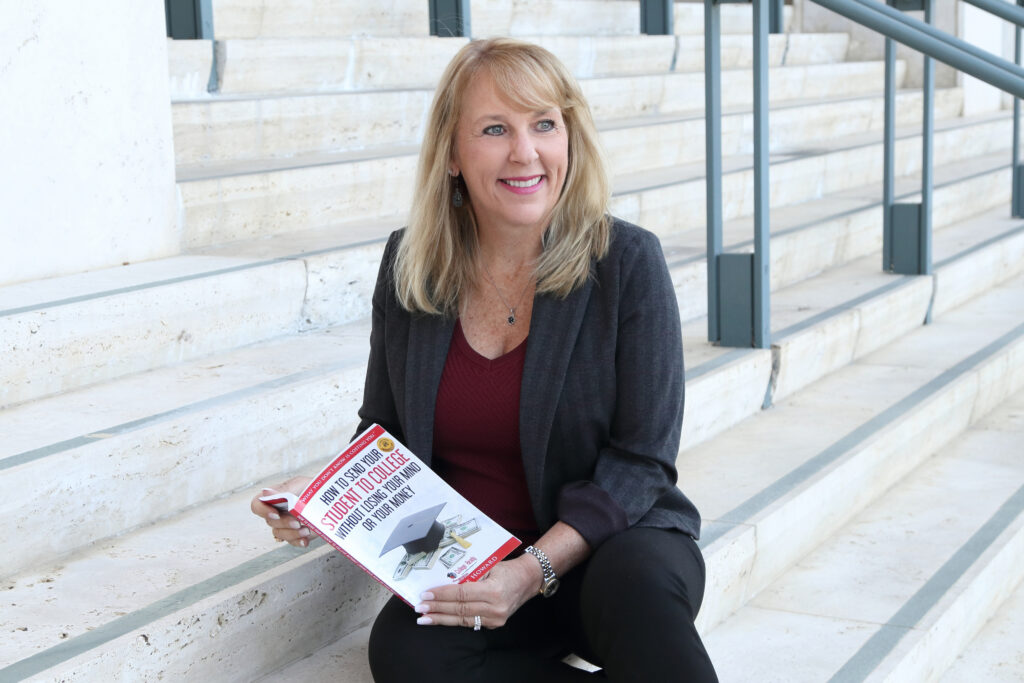
About the Author
Shellee Howard
Founder & College Planning Strategist
Shellee helps families navigate the college admission and financing process with clarity and confidence.