
College Admissions for Neurodivergent Students
Learn how neurodivergent students can stand out authentically in college admissions through strengths, self-awareness, and strategy.
Let’s Build Your Student’s College Success Plan
Schedule a no-obligation strategy call and get clarity on your college planning path.
Many parents of neurodivergent students carry a quiet fear during the college admissions process.
They worry their child will be misunderstood. They worry colleges will focus too heavily on traditional measurements while overlooking the qualities that truly make their student remarkable. Some parents fear their teenager’s anxiety, communication style, executive functioning struggles, learning differences, or social challenges will overshadow their intelligence, creativity, or potential. Others wonder whether college is even the right path at all.
These concerns are valid.
The college admissions process can feel especially overwhelming when your child does not fit neatly into traditional expectations. But there is something important families need to hear: Neurodivergent students do not need to become someone else to succeed in college admissions. They need a strategy that helps colleges understand who they genuinely are.
This article was inspired by a recent podcast conversation featuring college strategist Shellee Howard, founder of College Ready, where she discussed how neurodivergent students can stand out authentically through strengths, self-awareness, and thoughtful positioning instead of perfection.
Colleges Are Not Looking for Perfect Students
One of the biggest misconceptions families have is that colleges expect flawless applications.
Parents often feel pressure to help their student hide weaknesses, overcompensate academically, or appear more “typical”
But strong college applications are built around authenticity, growth, and alignment. Admissions offices are trying to understand who the student is, what matters to them, and what strengths they bring.
Neurodivergent students often possess extraordinary qualities that colleges genuinely value:
- deep intellectual curiosity
- persistence
- unique problem-solving ability
Those strengths matter.


Why Personal Story Matters So Much
Many neurodivergent students spend years feeling misunderstood. They may internalize messages that they are: “too much”, “socially awkward”, or“behind”.
By the time college applications arrive, some students are exhausted from trying to fit expectations that never truly matched who they are. This is where storytelling becomes incredibly important.
A thoughtful application helps colleges understand not only what the student accomplished, but how they experience the world. That does not mean writing a “sob story.”
It means helping students communicate:
- what motivates them
- how they learn
- what challenges shaped them
- what strengths emerged through those experiences
- what environments help them thrive
Authenticity often creates stronger applications than perfection ever could.
Neurodivergent Students Often Have Exceptional Depth
One thing many admissions readers appreciate is depth of interest. Neurodivergent students frequently develop intense focus on topics they genuinely care about. That can become a tremendous advantage when positioned thoughtfully.
Many neurodivergent students develop an intense passion for subjects they truly love—whether that’s engineering, coding, music, psychology, animals, or countless other fields. When nurtured, these interests often grow into independent learning, research, creative projects, leadership opportunities, or specialized skills.
Colleges notice students who pursue meaningful interests with consistency and passion. Not because the student is checking boxes. Because genuine curiosity is difficult to fake.
Challenges Can Become Part of a Student’s Strength Story
Parents sometimes assume challenges should be hidden completely during admissions. In reality, thoughtful context can help colleges better understand the student’s resilience and growth.
For example:
- test anxiety
- executive functioning struggles
- sensory challenges
- communication differences
- social anxiety
- learning disabilities
Do not automatically disqualify students from college success. What matters is how students understand themselves, advocate for support, adapt, and continue growing.
Colleges are not expecting students to have perfect lives. They want students who can reflect honestly and demonstrate self-awareness.


Self-Awareness Is One of the Most Valuable Skills
Many neurodivergent students spend years being told what they struggle with.
Far fewer are taught how to identify and articulate their strengths. This is one of the most valuable parts of thoughtful college planning.
Students benefit tremendously when they can answer questions like:
- What environments help me succeed?
- What kinds of learning energize me?
- What support systems help me function best?
- What subjects naturally hold my attention?
- What strengths do others consistently notice in me?
- What challenges have taught me resilience?
These conversations help students build confidence while also preparing them for adulthood beyond admissions. Because college readiness is not just about getting accepted somewhere.
It is about helping students transition successfully into independent life.
The Right-Fit College Matters More Than Prestige
Many parents worry intensely about helping their student get into the “best” school possible. But for neurodivergent students especially, fit matters far more than prestige. The strongest environment is one that supports:
- learning style
- emotional well-being
- executive functioning needs
- communication preferences
- academic interests
- social comfort
- long-term growth
A highly prestigious environment that overwhelms a student emotionally may not lead to long-term success. Meanwhile, another college with stronger support services, smaller class sizes, flexible learning environments, and a collaborative culture may help that same student thrive.
Success is not one-size-fits-all. Families deserve guidance that helps them evaluate schools strategically, not emotionally.
Parents Need Support Too
Many parents of neurodivergent students feel isolated during the college process.
They are often balancing:
- advocacy fatigue
- academic concerns
- emotional support
- financial stress
- uncertainty about independence
- fear about the future
Parents frequently carry years of protective instincts into the admissions process. That emotional weight is understandable. What helps most is shifting from panic to strategy.
Students do not need parents who pretend challenges do not exist. They need parents who help them pursue environments where they can succeed, understand themselves, build confidence, and develop realistic plans.


College Planning Should Feel Personalized
One reason so many families feel frustrated with college admissions advice is that much of it sounds generic. Neurodivergent students often need an individualized strategy rather than cookie-cutter expectations.
A stronger approach focuses on:
- strengths-first planning
- personalized storytelling
- thoughtful college fit
- practical transition support
- long-term career alignment
- emotional readiness
- realistic financial planning
The goal is not forcing students into someone else’s definition of success. The goal is to help them build a future aligned with who they actually are.
Want More Insight From the Podcast Conversation?
This article was inspired by Shellee Howard’s conversation on the Autism Resource Podcast, where she discussed helping neurodivergent students navigate college admissions through strengths-based strategy, authentic storytelling, and individualized support.
The full conversation offers additional insight into:
- navigating scholarships and college fit
- helping students stand out authentically
- reducing admissions overwhelm
- supporting neurodivergent students strategically
- building confidence through self-awareness
Your Child Does Not Need to Fit a Mold
Neurodivergent students often spend years trying to adapt themselves to systems that were not designed with them in mind. College admissions should not become another experience where they feel pressured to hide who they are.
Students deserve guidance that helps them recognize:
- their strengths
- their potential
- their voice
- their future opportunities
Because success does not come from pretending to be someone else. It comes from understanding how to build a path around the qualities that already make them exceptional.
If your family wants help navigating college admissions, scholarships, student direction, or personalized planning for a neurodivergent student, College Ready can help you build a thoughtful strategy rooted in clarity, confidence, and long-term success.

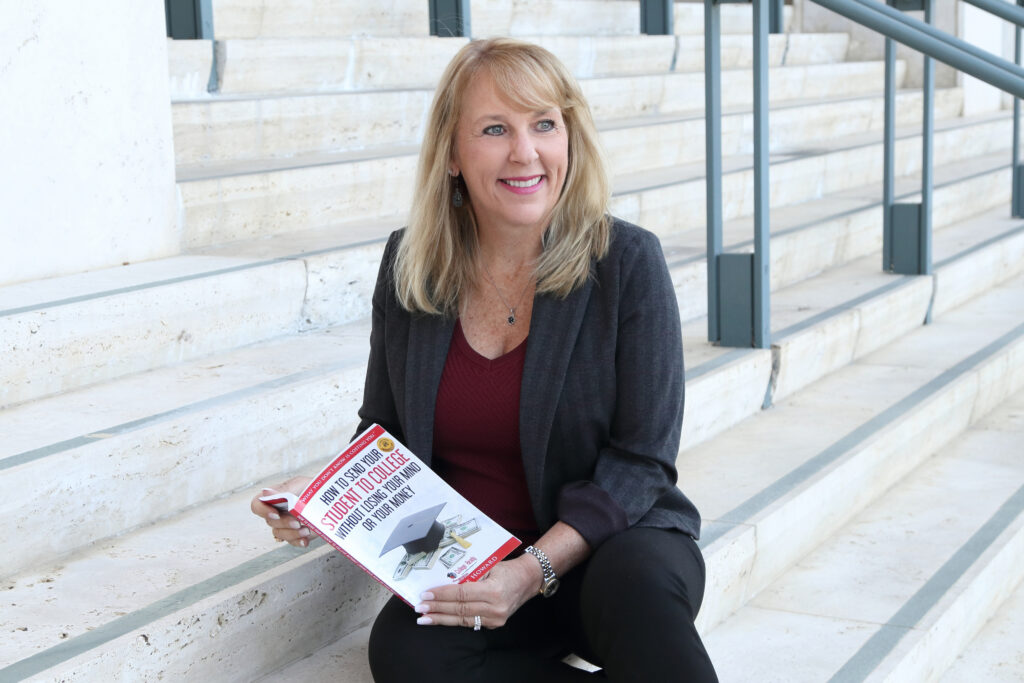
About the Author
Shellee Howard
Founder & College Planning Strategist
Shellee helps families navigate the college admission and financing process with clarity and confidence.