
Why Struggling in Math Doesn’t Mean Your Teen Can’t Succeed
Learn how personalized math support can improve confidence, SAT scores, and college opportunities for high school students.
Let’s Build Your Student’s College Success Plan
Schedule a no-obligation strategy call and get clarity on your college planning path.
Many parents quietly carry the same fear.
Their teen is struggling in math, avoiding homework, feeling discouraged after tests, or saying things like, “I’m just not a math person.” At the same time, conversations about college, careers, scholarships, and the future are becoming more serious.
Parents start wondering:
Will this limit their options?
Can they still pursue a strong college path?
What if they want a career that requires math later on?
Are we already behind?
These concerns are understandable. Math often becomes emotionally charged because families associate it with intelligence, academic potential, and future opportunity. But struggling in math does not automatically mean a student lacks ability, discipline, or long-term potential.
In many cases, it simply means a student needs a different approach, better support, or more clarity about where the gaps actually are.
That distinction matters more than most families realize.
Confidence Problems Often Look Like Math Problems
One of the biggest misconceptions parents face is assuming poor performance means a student simply “isn’t good at math.”
Sometimes students truly have foundational gaps that need support. Other times, the issue is confidence, pacing, anxiety, or learning style. Many students lose confidence after falling behind in a single concept and never fully recover emotionally from the experience.
Once students begin identifying themselves as “bad at math,” they often stop engaging altogether.
This creates a cycle:
- lower confidence
- avoidance
- inconsistent practice
- more frustration
- declining performance
Parents frequently see the symptoms but not the root cause. A teenager who struggles in Algebra II may still have strong analytical thinking, creativity, leadership skills, communication strengths, or problem-solving ability. Those qualities still matter deeply in college admissions and future career success.
Strengths matter more than perfection.


Students Need Clarity, Not Panic
One of the most helpful things parents can do is shift away from fear-based thinking and toward strategic understanding.
Instead of asking:
“Is my child bad at math?”
A better question is:
“Where exactly are the gaps, and what support would help them move forward?”
That change in perspective creates space for progress. Students rarely benefit from being overwhelmed with endless worksheets, generic tutoring, or pressure-filled conversations about college rankings. They benefit from understanding:
- what they already know
- where they need support
- what path makes sense for their goals
- how to build confidence gradually
This is where personalized learning can make a meaningful difference.
Personalized Learning Helps Students Rebuild Momentum
Not every student learns the same way, and not every student has the same goals.
Some students are preparing for highly quantitative college majors. Others simply need enough math confidence to improve test scores, strengthen applications, or keep future opportunities open.
The right support should reflect the individual student.
Personalized math tutoring for high school students often works best when it:
- identifies skill gaps early
- removes unnecessary pressure
- creates a realistic roadmap
- focuses on progress instead of perfection
- adapts to the student’s pace and confidence level
Students tend to improve faster when they understand why they are struggling instead of assuming they are incapable.
This approach also helps parents feel less overwhelmed. Families gain clarity about what is actually happening academically rather than guessing based on grades or test anxiety alone.
SAT and ACT Prep Is About More Than Test Scores
Parents often think about SAT or ACT prep only in terms of college admissions.
But for many students, standardized testing becomes tied to confidence and identity. A low score can reinforce the belief that they are “not smart enough” or “not college material.”
That is why early planning matters.
Students who begin preparing strategically before panic sets in often feel more in control. Preparation becomes less about cramming and more about understanding patterns, strengthening weak areas, and building familiarity over time.
Strong SAT math prep is rarely about memorizing shortcuts alone. It is about:
- understanding foundational concepts
- learning how to approach problems calmly
- practicing intentionally
- reducing anxiety through preparation
Students do not need to become mathematicians to improve their scores. They need support that meets them where they are.


Career Paths Are Rarely Linear
Parents sometimes worry that a teen struggling in math means certain careers are permanently out of reach.
But student growth does not happen on a fixed timeline.
Career interests evolve. Confidence evolves. Maturity evolves.
A student who struggles in geometry at 15 may thrive in business analytics, healthcare administration, architecture, psychology research, marketing, or technology later on. Another student may discover a passion for science after finally receiving the right academic support.
Teenagers are still developing academically, emotionally, and personally.
College planning works best when families stay open-minded and strategic rather than defining a child’s future too early based on one challenging subject.
Success is not one-size-fits-all.
Parents Don’t Need to Have All the Answers
Many parents feel pressure to solve everything themselves.
They worry they should know:
- which classes to choose
- when to start SAT prep
- whether tutoring is necessary
- what colleges are realistic
- how scholarships work
- how to help their teen stay motivated
Most families were never taught how to navigate modern college admissions strategically. The process has become increasingly complex, expensive, and emotionally demanding. Parents deserve guidance and realistic planning, not guilt or constant pressure. Sometimes the most valuable step is simply creating a clear plan with experienced support.
A thoughtful strategy can help families:
- support students without overwhelming them
- reduce stress
- avoid unnecessary debt
- align academics with long-term goals
- identify realistic college options
College Readiness Is Bigger Than a Test Score
Parents often focus heavily on grades and testing because they want opportunities for their children. That instinct comes from love. But long-term success usually depends on much more than academic perfection alone.
Students need:
- self-awareness
- resilience
- direction
- confidence
- healthy support systems
- opportunities aligned with their strengths
The best-fit college is not always the most prestigious school. A strong outcome comes from finding an environment where a student can grow, explore, and build toward a meaningful future without carrying unnecessary financial burden.
For some students, that path includes highly selective universities. For others, it may involve honors programs, state schools, transfer pathways, gap years, or alternative educational routes.
The goal is not prestige for prestige’s sake. The goal is to help students build lives and careers that align with who they are becoming.


Want More Insight From the Conversation?
This article was inspired by a recent podcast conversation with AI educator and math specialist Dong Zhang, founder of Ace Rocket, where we discussed personalized learning, math confidence, SAT preparation, and how AI is changing educational support for students.
If you would like deeper insight into how families can approach math struggles, standardized testing, and personalized academic planning, you can listen to the full episode of Parents: Is Your Teen College Ready?
Helping Your Teen Move Forward With Confidence
If your teen is struggling in math, it does not mean their future is limited. It may simply mean they need a clearer roadmap, the right support, and an approach built around their individual strengths and goals.
Parents do not have to navigate this process alone.
At College Ready, we help families create thoughtful college and career strategies that support long-term success, affordability, and student confidence. Whether your teen needs academic direction, SAT planning, scholarship guidance, or help identifying the right college path, strategic planning can make the process feel far more manageable.
Your child does not need to be perfect to succeed. They need support, self-awareness, and a plan that fits who they are becoming.
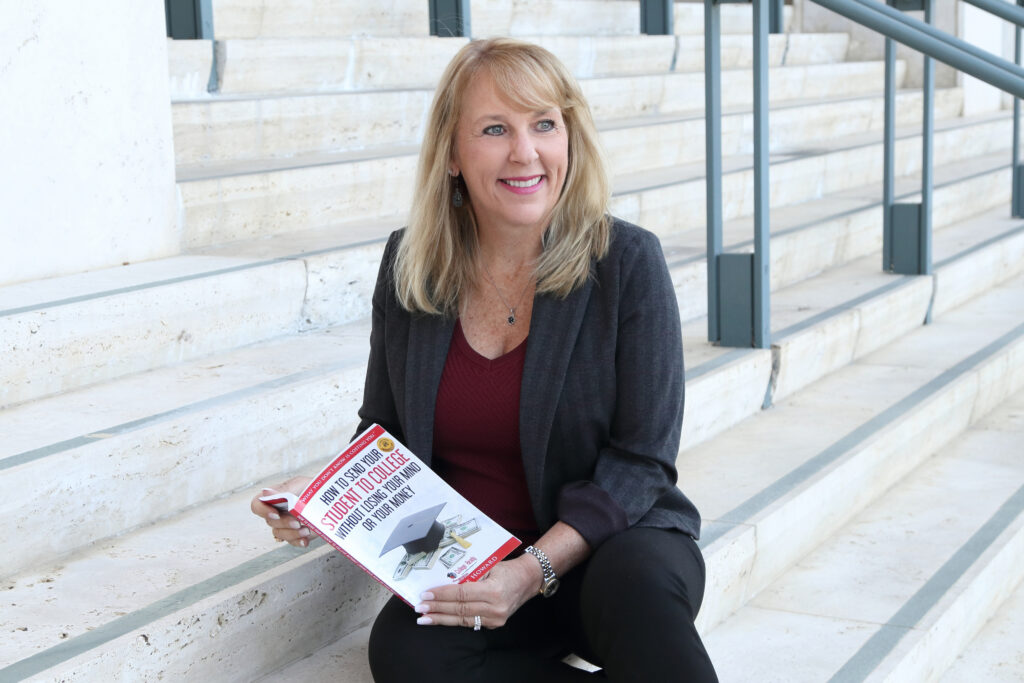
About the Author
Shellee Howard
Founder & College Planning Strategist
Shellee helps families navigate the college admission and financing process with clarity and confidence.