
How to Prepare Kids for College and Career Success
Preparing kids for college is about more than admissions. Learn how parents can help students build confidence, direction, financial awareness, and future-ready skills for long-term success.
Let’s Build Your Student’s College Success Plan
Schedule a no-obligation strategy call and get clarity on your college planning path.
Many parents are quietly asking the same question:
How do I help my child build a successful future without overwhelming them in the process?
The pressure surrounding college, careers, scholarships, and long-term success feels heavier than it did a generation ago. Families are navigating rising tuition costs, rapidly changing industries, AI disruption, student anxiety, and a culture that often tells teenagers they must have everything figured out immediately.
Most students do not.
And honestly, they should not be expected to.
The goal of college planning should not be perfection. It should be preparation.
This article was inspired by Shellee Howard’s conversation on the Dad Improvement Podcast, where she discussed helping students identify strengths, build confidence, prepare strategically for the future, and avoid unnecessary debt through intentional planning.
College Readiness Is Really Life Readiness
Many parents think college planning begins with applications and SAT prep. In reality, the strongest planning starts much earlier and focuses on helping students better understand themselves.
Students benefit from learning what naturally interests them, what environments help them thrive, how they solve problems, what motivates them, how they handle responsibility, and what kind of future they want to build.
This is not about forcing students into one career path early. It is about helping them develop enough self-awareness to make wiser decisions later.
When students understand themselves more clearly, they tend to choose stronger-fit colleges, avoid unnecessary major changes, pursue more aligned career paths, build confidence more naturally, and make better long-term financial decisions.


Students Need Guidance, Not Panic
One of the biggest mistakes families make is waiting until junior or senior year to begin talking seriously about college and careers. By then, everything feels urgent.
Students suddenly face college lists, scholarship applications, testing, essays, financial aid forms, career decisions, social pressure, and fear of making the wrong choice.
That kind of pressure can make teenagers shut down emotionally. A calmer approach starts earlier and focuses on conversations instead of panic.
Parents can begin by asking:
“What do you enjoy learning?”
“What problems interest you?”
“What kind of work sounds meaningful?”
“What environments feel energizing?”
“What strengths do you think you have?”
“What activities make you lose track of time?”
These conversations help students build direction gradually.
Strengths Matter More Than Prestige
Many students feel pressured to chase schools or careers that sound impressive rather than paths that genuinely fit them. That creates unnecessary stress and often leads students away from their natural strengths.
Students thrive when they pursue paths aligned with:
- Curiosity
- Personality
- Values
- Learning style
- Goals
- Emotional needs
- Long-term lifestyle preferences
The “best” college is not automatically the most prestigious one. The strongest fit is often the school where students feel supported, can grow confidently, can afford to attend responsibly, can pursue meaningful opportunities, and can graduate prepared for the future.
Community Service Helps Students Discover Purpose
One of the most overlooked parts of student development is meaningful service. Students learn tremendous life skills when they help others, volunteer, lead projects, mentor younger students, or support causes they care about.
Community involvement often helps students discover empathy, leadership, confidence, resilience, communication skills, and deeper interests.
These experiences also strengthen college applications naturally because they reflect authentic growth rather than résumé-building for appearances.
The goal is not to collect activities. The goal is to help students develop character and direction.

Career Paths Are Changing Faster Than Parents Realize
One challenge families face today is that many careers are evolving rapidly because of technology and AI. Students need flexible, adaptable skills more than rigid plans.
The students who will thrive long term are often the ones who develop critical thinking, communication, creativity, emotional intelligence, adaptability, problem-solving ability, and curiosity.
Career paths rarely stay perfectly linear anymore. Students should prepare for growth, learning, and adjustment over time rather than assuming one decision at 17 defines their entire future.
Financial Literacy Must Be Part of the Conversation
Many students are expected to make major educational decisions before understanding student loans, debt repayment, return on investment, salaries, cost of living, or financial independence.
Parents often avoid these conversations because they feel uncomfortable. But avoiding financial discussions does not protect students. It delays readiness.
Students benefit when parents explain how scholarships work, why grades and activities matter, how debt affects future choices, why certain schools may fit financially better than others, and how career choices connect to long-term lifestyle goals.
Financial awareness gives students more confidence and clarity.
Planning Earlier Creates More Options
Families do not need to become obsessed with college during elementary school or middle school. But they should begin helping students explore interests, build confidence, strengthen academics, develop responsibility, understand opportunities, practice communication, and think about the future gradually.
Early planning creates flexibility. Waiting until the last minute often creates panic.
Students who start developing direction earlier usually feel more prepared emotionally when bigger decisions arrive later.


Parents Do Not Need to Have Every Answer
Many parents feel overwhelmed because they assume they should already know how college admissions work, how financial aid works, which schools are generous, what careers are changing, what students should major in, and how AI will affect future jobs.
Most parents were never taught these things themselves. That does not mean they are failing. It means they deserve guidance too.
Parents do not need perfection. They need strategy, awareness, and support.
Want More Insight From the Podcast Conversation?
This article was inspired by Shellee Howard’s conversation on the Dad Improvement Podcast, where she discussed preparing students for college, scholarships, future careers, financial literacy, and adulthood with greater confidence and clarity.
The full episode offers additional insight into helping students identify strengths, reducing college debt, scholarship strategy, future career planning, balancing academics and emotional well-being, and helping students build long-term success.
Your Child Does Not Need Everything Figured Out Today
Students do not need a perfect plan at 12, 15, or even 17 years old. What they need is support, guidance, and opportunities to better understand themselves over time.
The goal of college planning should not be creating exhausted teenagers chasing prestige. It should be helping students build meaningful, sustainable futures aligned with who they are becoming.
When parents focus on strengths, self-awareness, realistic planning, and long-term fit, students are far more likely to graduate with confidence instead of confusion.
If your family wants help navigating college planning, scholarships, career direction, or helping your child become more future-ready without unnecessary debt or overwhelm, College Ready can help you create a thoughtful strategy rooted in clarity, confidence, and long-term success.

About the Author
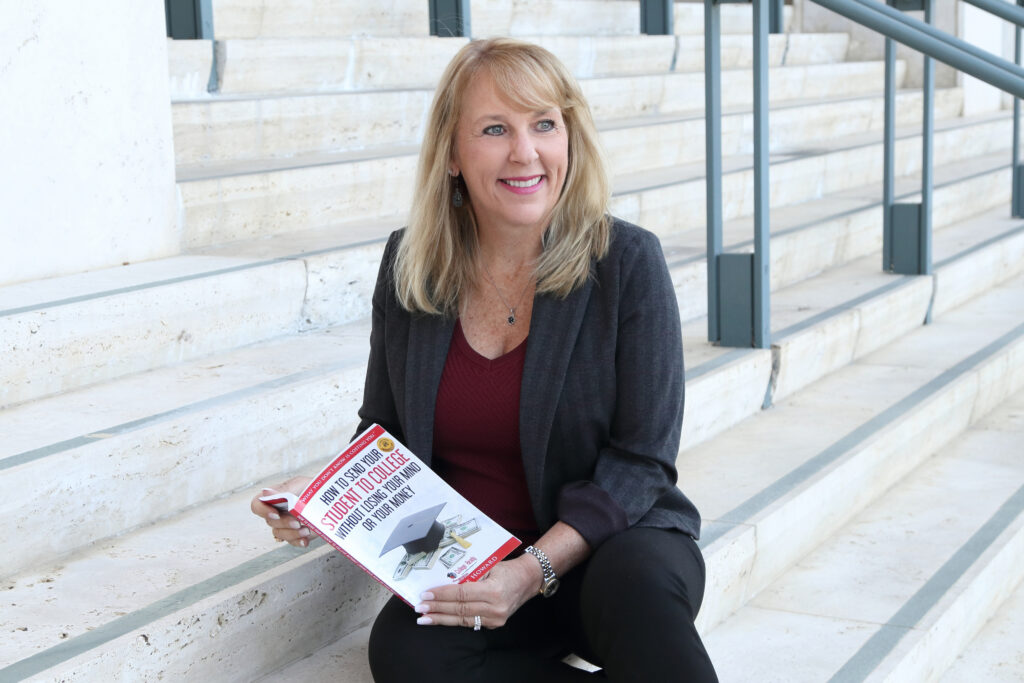
Shellee Howard
Founder & College Planning Strategist
Shellee helps families navigate the college admission and financing process with clarity and confidence.