
How to Raise College Ready Teens Without Overwhelm
Raising college-ready teens is about more than admissions. Here’s how parents can help students build confidence, direction, financial awareness, and future-ready life skills without overwhelm.
Let’s Build Your Student’s College Success Plan
Schedule a no-obligation strategy call and get clarity on your college planning path.
Many parents carry a quiet fear about the future.
Not just whether their teenager will get into college, but whether they are truly prepared for adulthood itself.
Parents wonder:
Am I doing enough?
What if my child has no direction?
How do we avoid overwhelming debt?
What if we make the wrong decisions?
How do I prepare my teen for a future that looks so different from mine did?
These questions feel even heavier for families navigating homeschool, nontraditional education paths, rising tuition costs, changing career landscapes, and the uncertainty created by AI and economic shifts.
The pressure can feel enormous.
But raising college-ready teens is not about creating perfect students.
It is about helping students become thoughtful, capable, resilient young adults.
This article was inspired by Shellee Howard’s conversation on Homeschool with Steph, where she discussed college planning, homeschool pathways, scholarships, and helping students prepare for life beyond high school with more confidence and less panic.
College Readiness Starts With Self-Awareness
One of the biggest misconceptions families have is that college readiness begins with test prep and applications.
In reality, the strongest college planning begins much earlier, with helping students understand themselves. Students need opportunities to explore:
- Strengths
- Interests
- Learning styles
- Values
- Curiosity
- Personality
- Future goals

Without self-awareness, many students make reactive decisions. They choose majors because their friends chose them. They apply to colleges based on rankings instead of fit. They chase careers they barely understand.
Helping students identify what genuinely energizes them creates much stronger long-term direction.

Confidence Matters More Than Perfection
Parents often feel pressure to help their teenager become “competitive.” That pressure can unintentionally create anxious students who believe every decision must be perfect.
But colleges are not looking for robotic perfection. They are looking for students who know themselves, pursue meaningful interests, show initiative, demonstrate resilience, contribute to their communities, and grow through experience.
Confidence grows when students are allowed to try things, fail safely, explore interests, ask questions, develop responsibility, and learn through experience.
Perfection does not prepare students for adulthood. Self-awareness and resilience do.
Students Need Direction Before They Need a College List
Parents frequently ask:
“What colleges should my child apply to?”
That question matters. But before students choose colleges, they need more clarity around who they are, what environments fit them, what kind of life they want, what work feels meaningful, and how they naturally solve problems.
Otherwise, students often build college lists around prestige, peer pressure, social media, unrealistic assumptions, and fear of missing out. That can create expensive mismatches later.
A more thoughtful process helps students move toward colleges and careers aligned with who they are becoming.
Homeschool and Nontraditional Students Can Thrive
Many homeschool families quietly worry:
“Will my child be taken seriously during college admissions?”
The answer is yes. Homeschooled students can absolutely succeed in the college admissions process when families approach planning intentionally.
In many cases, homeschool students develop strengths that colleges appreciate: independence, initiative, intellectual curiosity, flexibility, self-direction, and creative problem-solving.
What matters most is not whether students followed a traditional path. What matters is whether they can demonstrate growth, engagement, preparedness, communication skills, meaningful involvement, and authentic interests. Strong applications tell a clear story about the student.


Financial Literacy Should Be Part of Every Teen’s Education
One of the most overlooked areas of college readiness is financial awareness. Many students are expected to choose majors and colleges before understanding student loans, cost of living, debt repayment, financial independence, return on investment, and lifestyle tradeoffs.
These conversations should happen earlier and more often. Students benefit tremendously when parents discuss budgeting, scholarships, tuition costs, earning potential, financial goals, and career flexibility.
Financial literacy helps students make more informed choices and reduces panic later.
Students Need Meaningful Experiences, Not Just Activities
Many parents believe students need long résumés filled with activities to stand out. Colleges are becoming increasingly skilled at recognizing “box checking.” What matters more is depth and intentionality.
Students benefit from volunteering, leadership opportunities, creative projects, internships, service work, entrepreneurship, meaningful hobbies, and passion-driven experiences.
These experiences help students discover what they enjoy, what they dislike, what strengths emerge naturally, and how they want to contribute.
The strongest applications are usually rooted in authenticity, not performance.
Career Paths Will Continue to Evolve
One reason parents feel overwhelmed right now is that the future feels uncertain. AI is changing industries quickly. Jobs students may pursue today could evolve dramatically over the next decade.
This is why students need adaptable skills more than rigid plans. Students benefit from developing communication, problem-solving, emotional intelligence, curiosity, adaptability, resilience, and critical thinking.
Career paths rarely stay linear anymore. Students who know how to learn, pivot, and think independently will have far more long-term flexibility.


Parents Need a Strategy Too
Parents are carrying enormous emotional and financial pressure. They are trying to support their child, avoid overwhelming debt, understand changing admissions systems, prepare students for independence, help teens find direction, and make wise financial decisions.
Most parents were never taught how to navigate this process strategically themselves. That does not mean they are failing. It means they deserve support too.
College planning should feel like a roadmap, not a constant emergency.
Want More Insight From the Podcast Conversation?
This article was inspired by Shellee Howard’s conversation on Homeschool with Steph, where she discussed homeschool college planning, scholarships, student direction, and helping teens build confidence and clarity before adulthood.
The full conversation offers additional insight into homeschool admissions planning, reducing college debt, helping students identify strengths, preparing teens emotionally and financially, and building future-ready confidence.
Families may also benefit from College Ready’s educational webinars on scholarships, recruiting, AP strategies, and college affordability planning.
Your Teen Does Not Need a Perfect Plan
Students are not supposed to have every answer at 15, 16, or 17 years old. What they need is guidance, conversation, exposure, and opportunities to better understand themselves.
Parents do not need to panic. They need a strategy rooted in clarity, preparation, financial awareness, realistic planning, student strengths, and long-term fit.
College readiness is really life readiness. And when families focus on helping students become capable, thoughtful adults first, the college decisions become much clearer along the way.

If your family wants support around scholarships, college planning, student direction, or helping your teen become more future-ready without unnecessary overwhelm or debt, College Ready can help you create a thoughtful plan built around confidence, clarity, and long-term success.
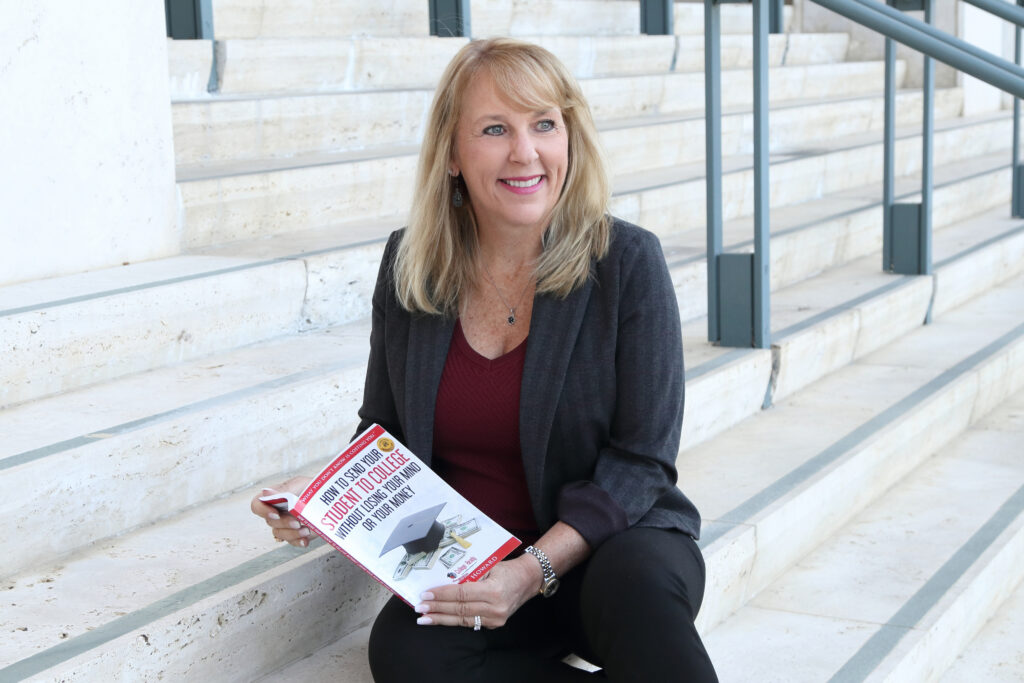
About the Author
Shellee Howard
Founder & College Planning Strategist
Shellee helps families navigate the college admission and financing process with clarity and confidence.