
How to Help Your Teen Find Their Passion
One of the hardest parts of parenting teenagers is watching them feel unsure about their future.
You want to help. You want to guide. You want to make sure they don’t miss opportunities that could shape the rest of their life.
Let’s Build Your Student’s College Success Plan
Schedule a no-obligation strategy call and get clarity on your college planning path.
But many parents quietly wonder:
– “What if my teen has no direction?”
– “What if they never figure out what they want to do?”
These questions are incredibly common, especially during the high school years when conversations about grades, careers, scholarships, and college admissions start becoming more serious.
The challenge is that many students are being asked to make major life decisions before they truly understand themselves.
And that’s where a different approach becomes valuable.
Helping your teen find their passion is not about forcing them to choose a perfect career at sixteen years old. It’s about helping them discover their strengths, interests, values, and sense of purpose so they can make wiser decisions over time.
This article was inspired by a podcast conversation featuring Shellee Howard of College Ready, where she discussed why self-awareness and purpose-driven planning help students build stronger futures than academics alone.
Passion Is Not the Same as Pressure
Many students feel overwhelmed because every conversation about the future starts sounding like a high-stakes decision.
“What are you going to major in?”
“What career do you want?”
“Where are you applying?”
“What’s your backup plan?”
Parents ask these questions from a place of love and concern.
Students often hear them as pressure.
When teenagers don’t yet know who they are or what fits them, these conversations can make them feel behind before they’ve even begun exploring.
A healthier starting point is curiosity.
Not:
“What are you going to be?”
But:
“What do you enjoy?”
“What kinds of problems interest you?”
“What environments bring out your best?”
“What matters to you?”
“What kind of impact would you like to make someday?”
Those questions open doors instead of creating panic.


Why Self-Awareness Matters Before College Planning
One of the biggest mistakes families make is building a college list before helping the student understand themselves.
Students who lack self-awareness often:
- choose majors based on outside pressure
- follow friends instead of fit
- select schools for prestige alone
- switch majors repeatedly
- feel disconnected from their direction
- struggle to explain who they are in applications or interviews
College planning becomes much easier when students first gain clarity about:
- strengths
- personality
- values
- interests
- motivation
- learning style
- goals
- preferred lifestyle
This process does not need to feel rigid or overwhelming.
It should feel exploratory.
Passion Develops Through Experience
Many parents worry because their teen does not seem deeply passionate about anything yet.
That does not automatically mean something is wrong.
Passion usually grows through exposure and experience.
Students often discover direction by:
- volunteering
- trying leadership opportunities
- working part-time jobs
- shadowing professionals
- traveling
- participating in extracurricular activities
- serving their community
- creating projects
- solving real-world problems
A teenager who has only experienced school and screens may not yet have enough context to understand what excites them.
This is one reason meaningful experiences matter so much during middle school and high school.
Why Passion Projects Matter in College Admissions
Families sometimes think passion projects are just about “standing out” on applications.
Strong colleges are looking for something deeper than busy schedules or resume-building activities.
They want to understand:
- who the student is
- what matters to them
- how they think
- what motivates them
- how they contribute to others
Students who pursue meaningful interests over time often communicate more confidence and authenticity in:
- essays
- interviews
- applications
- recommendation letters
More importantly, they tend to understand themselves better.
That clarity helps students make stronger college and career decisions later.


Students Need Guidance Without Judgment
One of the most powerful things parents can do is create space for open conversation without immediately reacting, correcting, or steering.
That can be difficult.
Especially when your teen expresses an interest that feels unrealistic, unfamiliar, or financially uncertain.
But shutting down the conversation too quickly often shuts down exploration itself.
Instead of:
“That’s not practical.”
Try:
“What do you enjoy about that?”
“What part of that interests you?”
“What kind of lifestyle do you imagine?”
“How could we learn more about this field together?”
Those conversations build trust and help students think more critically about their future without feeling dismissed.
Career Paths Change More Than Parents Realize
Many adults grew up believing they needed to choose one career path and stay there permanently.
Today’s students will likely experience multiple career shifts during adulthood.
Industries are changing quickly.
Technology is evolving rapidly.
AI is reshaping parts of the workforce.
New careers continue emerging.
This means students need more than a single career plan.
They need:
- adaptability
- communication skills
- leadership
- emotional intelligence
- problem-solving ability
- resilience
- confidence
- self-awareness
Students who understand themselves tend to navigate change more effectively.
The Goal Is Not Perfection
Parents sometimes feel like they must help their child discover the “right” path immediately.
But most successful adults did not have every detail figured out as teenagers.
What matters more is helping students:
- build confidence
- understand their strengths
- explore thoughtfully
- learn responsibility
- develop communication skills
- gain real-world experience
- make intentional decisions
Students do not need to panic.
They need perspective.


College Should Support the Student’s Future
When students gain clarity about themselves earlier, college planning becomes more strategic.
Families can begin asking:
- What type of environment fits this student best?
- What majors align with their strengths?
- What schools support their goals?
- What scholarship opportunities make sense?
- What educational path provides a strong long-term ROI?
- What future opportunities could this path create?
This is where thoughtful planning matters.
The best-fit college is not always the most prestigious school.
The right path is the one that supports the student’s growth, goals, and future opportunities without unnecessary debt or pressure.
Want More Insight From the Podcast Conversation?
This article was inspired by a thoughtful conversation featuring Shellee Howard of College Ready, focused on helping teens discover passion, purpose, and direction before making major college and career decisions.
The full episode offers additional insight into:
- passion projects
- college readiness
- student self-awareness
- future planning
- leadership development
- helping students stand out authentically
It is especially valuable for parents navigating the high school years with uncertain or overwhelmed teens.
Your Teen Does Not Need Their Entire Future Figured Out
If your student feels uncertain about their future, they are not failing.
Many teens simply need more guidance, exposure, conversation, and time to understand who they are becoming.
Your role is not to force certainty before they are ready.
It is to help them explore thoughtfully, recognize their strengths, and move toward opportunities that align with who they are.
At College Ready, Shellee Howard helps families navigate college admissions, scholarships, career direction, and future planning with a calm, personalized approach focused on long-term success and student fit.
If your family wants support in helping your teen uncover their strengths, passions, and future direction, CR Future NOW offers a structured first step toward greater clarity and confidence.

About the Author
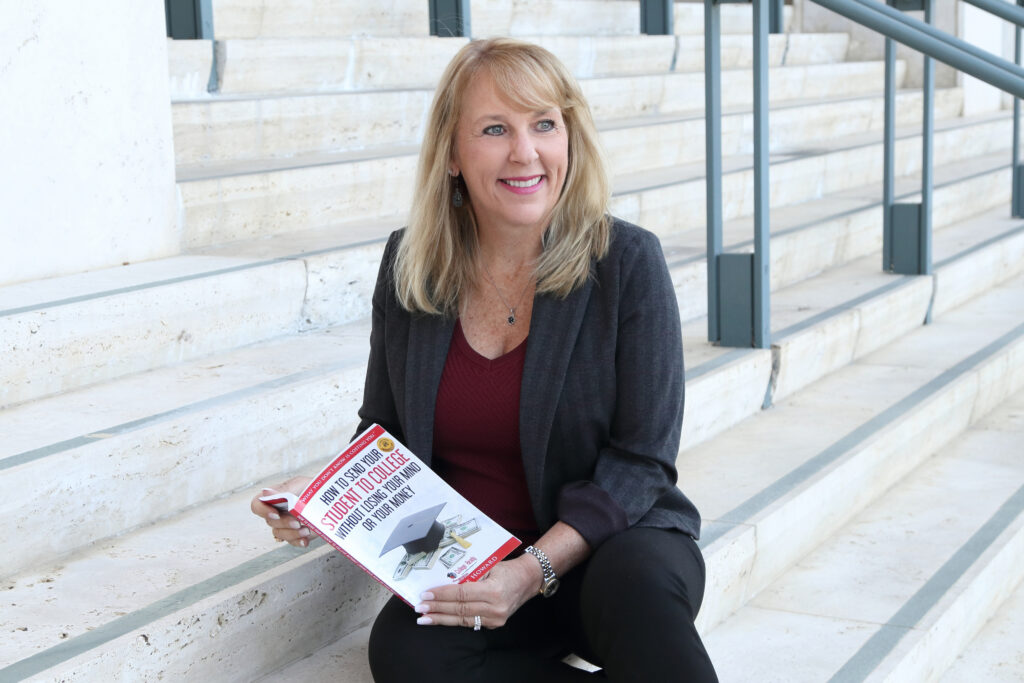
Shellee Howard
Founder & College Planning Strategist
Shellee helps families navigate the college admission and financing process with clarity and confidence.