
How to Help Your Teen Find Direction Before College
Many teens are not unmotivated. They’re overwhelmed and unclear about their future. Here’s how parents can help students find direction before choosing a college or career path.
Let’s Build Your Student’s College Success Plan
Schedule a no-obligation strategy call and get clarity on your college planning path.
Parents are carrying a quiet fear right now not just about college admissions or scholarships, but about whether their teenager is actually prepared for the future waiting ahead.
Many students feel overwhelmed when conversations about majors, careers, and college plans begin. Some shut down completely. Others say they want to become influencers, content creators, or pursue careers they barely understand yet. Many simply don’t know who they are or what direction makes sense for them.
Parents often interpret this as a lack of motivation. Usually, it’s a lack of clarity. And with rising college costs, rapid changes in technology, and growing uncertainty around the job market, families are asking a fair question:
How do we help students make smart decisions when the future itself feels uncertain?
This article was inspired by a recent podcast conversation with college strategist Shellee Howard, founder of College Ready, who discussed the growing need for identity clarity, future planning, and intentional college strategy for today’s students.
Students Don’t Need Their Entire Life Planned Out
One of the biggest misconceptions families hold is that students must have their entire future mapped out by age 17. They don’t. Most adults change careers multiple times throughout life. Interests evolve. Industries change. Technology reshapes opportunities faster than ever before.
Students do not need certainty. They need direction.
There’s a meaningful difference between:
- having every answer
- and understanding your strengths, interests, values, and motivations
When students understand themselves better, decision-making becomes far less overwhelming. College selection becomes more strategic. Career exploration becomes more realistic. Confidence begins to grow.


Why So Many Teens Feel Stuck Right Now
Parents are watching students struggle with motivation, focus, and future planning in ways that feel very different from previous generations. Part of this comes from the sheer volume of information students absorb daily.
Social media constantly presents curated success stories. Students compare themselves to peers who appear confident, accomplished, and certain about their future paths. Meanwhile, many teenagers privately feel anxious, uncertain, or behind.
There’s also a growing layer of AI-related uncertainty. Students hear:
- “This career may disappear.”
- “AI will replace jobs.”
- “College isn’t worth it anymore.”
- “You don’t need a degree to succeed.”
For teenagers already struggling to understand themselves, this noise creates paralysis. Some students stop planning because they fear choosing the wrong thing. Others avoid the conversation entirely. Parents often feel helpless watching this unfold.
Clarity Creates Momentum
One of the most valuable things parents can help students develop is self-awareness. Not pressure. Not perfection. Self-awareness.
Students who understand:
- what energizes them
- how they naturally solve problems
- where their strengths show up
- what environments fit them best
They are far more likely to make thoughtful educational and career decisions. This does not mean students must commit to one career forever. It means they begin developing a framework for decision-making. That framework matters because future success increasingly depends on adaptability, communication, curiosity, and problem-solving. Those human-centered skills remain valuable even as industries evolve.
The Best College Decision Starts Before Applications
Families often assume college planning begins with applications, essays, or campus tours.
In reality, the strongest college strategy starts much earlier with questions like:
- Who is this student becoming?
- What type of environment helps them thrive?
- What are their natural strengths?
Without these conversations, many students choose colleges or majors based on rankings, prestige, peer pressure, assumptions about income, or limited exposure to career options. That can lead to expensive course corrections later.
Changing majors multiple times, transferring schools, or pursuing paths that don’t align with a student’s strengths can significantly increase both stress and cost. A more intentional process helps students build toward long-term fit rather than short-term appearances.


College Success Is Not One-Size-Fits-All
One of the healthiest shifts happening in college planning is the recognition that success looks different for every student. For some students, a traditional four-year university makes sense.
For others, a smaller college, a transfer pathway, a specialized training program, an entrepreneurial route, or a career-focused certification may be a stronger fit. The goal is not prestige for prestige’s sake.
The goal is to help students build meaningful, sustainable futures without unnecessary debt or confusion.
Families deserve realistic guidance that balances:
- student strengths
- affordability
- scholarship strategy
- career alignment
- long-term opportunities
The “best” school is the one that supports both the student’s growth and future goals.
Why Parents Need Strategy, Too
Parents are under enormous pressure during the college process.
They are trying to balance:
- financial realities
- emotional support
- changing admissions expectations
- scholarship opportunities
- career uncertainty
- student mental health
Many parents feel like they are expected to become admissions experts overnight. That pressure can create tension at home. Students often feel judged or overwhelmed during college conversations, even when parents are simply trying to help. A calmer, more structured approach changes the tone completely. When families focus first on clarity and strategy instead of panic and comparison, students are more likely to engage thoughtfully in the process.
Helping Students Build Future-Ready Skills
Parents frequently ask whether certain careers will still exist in ten years. No one can predict every industry shift. What families can do is help students build durable skills that transfer across changing environments.
Students benefit from learning how to:
- communicate clearly
- think critically
- solve problems
- collaborate with others
- adapt to change
- lead with empathy
- stay intellectually curious
Those skills support success in college, careers, entrepreneurship, and life itself. Career paths may evolve over time. Strong foundational skills create flexibility when they do.


Small Conversations Matter More Than Parents Think
Parents sometimes believe they need one major breakthrough conversation about the future. Most of the time, clarity develops gradually through many smaller moments.
Simple questions can open important doors:
- What activities make you lose track of time?
- What kinds of problems do you enjoy solving?
- What environments drain your energy?
- What topics naturally interest you?
- Who do you admire and why?
The goal is not interrogation. The goal is to help students become more aware of themselves over time. That awareness becomes incredibly valuable when college decisions eventually arrive.
Want More Insight From the Podcast Conversation?
This article was inspired by Shellee Howard’s conversation on Marketer of the Day with Robert Plank, where she discussed student direction, college strategy, scholarships, and helping families navigate today’s changing educational landscape.
The full episode offers additional perspective on:
- guiding overwhelmed teens with more clarity and confidence
- helping students stand out authentically
- reducing college costs strategically
- preparing students for long-term success
Your Student Does Not Need Panic. They Need Guidance.
Families do not need to have all the answers immediately. Students do not need perfect certainty before moving forward.
What helps most is intentional guidance, thoughtful exploration, and a strategy grounded in who the student actually is. College planning works best when it becomes future planning.
When students understand themselves better, they make stronger decisions about their education, careers, and future opportunities. And parents feel less pressure trying to force clarity before their student is ready.
If your family feels uncertain about college planning, career direction, scholarships, or helping your teenager find a clearer path forward, College Ready can help you create a strategy that supports both your student’s future and your family’s financial goals.

About the Author
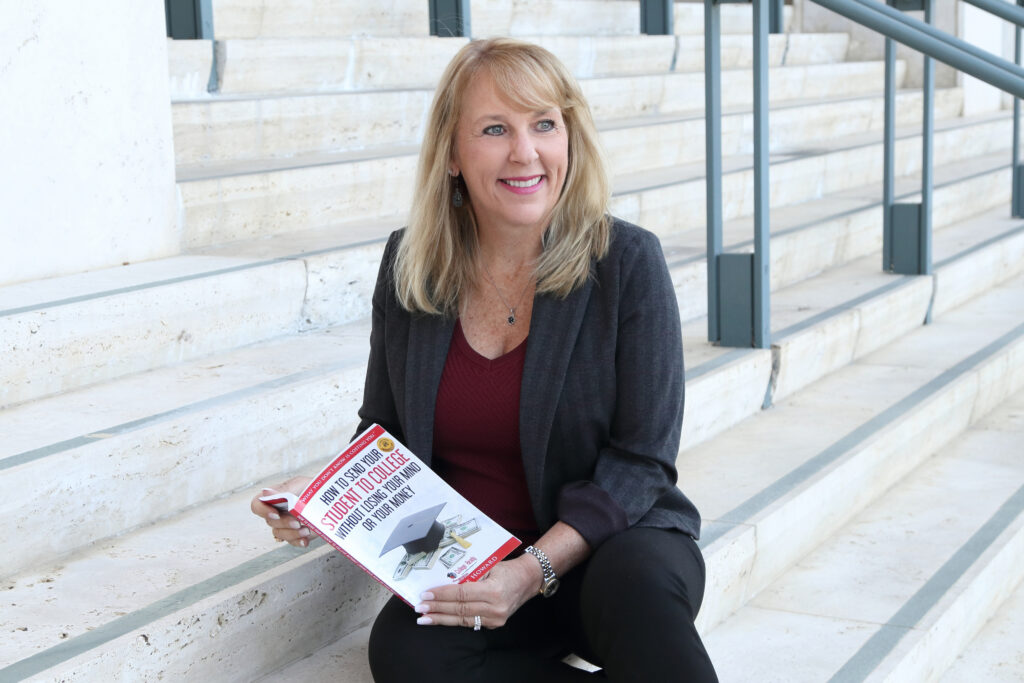
Shellee Howard
Founder & College Planning Strategist
Shellee helps families navigate the college admission and financing process with clarity and confidence.