
How to Help Your Teen Choose a Career Path
Many teens feel overwhelmed by college and career decisions. Learn how parents can guide students toward clarity, confidence, and smarter long-term planning without pressure or panic.
Let’s Build Your Student’s College Success Plan
Schedule a no-obligation strategy call and get clarity on your college planning path.
Parents are carrying a quiet weight right now.
You want your student to succeed. You want them to find meaningful work, become financially independent, and step confidently into adulthood. But many families are trying to make major decisions while the future feels increasingly uncertain.
College costs continue to rise. Career paths are changing quickly. Artificial intelligence is reshaping industries faster than schools can adapt. And many teenagers still have no idea what they want to do after high school.
That combination creates pressure for everyone.
Parents start asking questions like:
Is college still worth it?
What if my child chooses the wrong major?
How do we avoid wasting money?
What careers will still exist in ten years?
How do I help my student find direction without overwhelming them?
These are thoughtful questions. There are also signs that families need a different approach to college and career planning.
The good news is this: your teen does not need their entire life figured out right now.
They do need clarity about who they are, how they’re wired, what environments help them thrive, and what opportunities align with their strengths and goals.
That’s where healthy planning begins.
This article was inspired by a recent podcast conversation featuring Shellee Howard of College Ready, where she discussed the growing need for self-awareness, intentional planning, and future-focused guidance for students navigating life after high school.
Why So Many Teens Feel Lost About the Future
Many students are being asked to make adult-sized decisions before they’ve had enough life experience to understand themselves.
They’re told to choose majors, compare colleges, think about careers, and build resumes while still figuring out basic questions like:
- What am I naturally good at?
- What kind of work feels meaningful to me?
- What type of environment brings out my best?
- Do I prefer hands-on work, leadership, creativity, problem-solving, or service?
- What kind of life do I actually want to build?
Without clarity around those questions, students often default to outside pressure. They choose what sounds impressive. They follow friends. They chase prestige. Or they freeze completely because every option feels risky.
Parents see the hesitation and worry that their child lacks motivation. Often, that’s not the problem. Many students are overwhelmed, not lazy.


Career Planning Should Start With Self-Awareness
One of the biggest mistakes families make is starting with the college instead of the student.
Before comparing schools, majors, rankings, or scholarship opportunities, students need a stronger understanding of their strengths, interests, core values, personality tendencies, learning preferences, long-term goals, financial priorities, and lifestyle preferences.
This process matters because career paths are rarely linear anymore. A student may start in one industry and eventually move into another. Jobs will evolve. Technology will continue changing how work gets done.
What remains valuable are human-centered strengths like communication, leadership, adaptability, problem-solving, collaboration, creativity, and emotional intelligence.
Students who understand themselves tend to make more confident, sustainable decisions over time. Perfection is not the goal. Clarity is.
The Best-Fit School Is Not Always the Most Prestigious
Many parents feel pressure to chase elite colleges because they assume prestige automatically creates success.
But a well-known name does not guarantee the right environment, financial outcome, or career fit for every student.
A better question is: where will this student grow, thrive, and graduate with opportunity instead of unnecessary debt?
For some students, that may be a traditional four-year university. For others, it could be community college, trade school, a gap year with intentional structure, entrepreneurship, technical certification, or a hybrid educational pathway.
Success is not one-size-fits-all. Families need permission to make strategic decisions instead of emotionally reactive ones.
The “best” school is the one that supports the student’s goals, learning style, financial reality, and future opportunities.
Why Parents Need a Long-Term Strategy, Not Panic
Many families wait until junior or senior year to begin serious planning. By then, stress levels are high, and decisions feel urgent.
Students are trying to juggle grades, testing, activities, applications, scholarships, career uncertainty, and social pressure — all at once.
A calmer approach starts earlier and focuses on building direction gradually over time. That may include career exploration conversations, volunteer experiences, leadership opportunities, financial literacy discussions, exposure to different industries, personality and strengths assessments, and conversations about lifestyle and goals.
When students gain exposure and self-awareness earlier, they make stronger decisions later. They also tend to feel more ownership over their future.


Students Need Guidance, Not Constant Pressure
Parents naturally want to help. But many teens interpret repeated questions about the future as anxiety rather than support.
Questions like these can unintentionally feel overwhelming when a student already feels uncertain. A more productive approach is curiosity.
Instead of saying…
Instead of saying…
“How are you going to make money?”
“What’s your plan?”
Try asking…
“What environments make you feel energized?”
“What problems do you enjoy solving?”
“What kind of work sounds interesting to you right now?”
“What do you want your life to feel like in the future?”
“What experiences would help you learn more about yourself?”
Students don’t need parents to have every answer. They need trusted adults who can help them think clearly without panic.
College Affordability Matters More Than Families Realize
Parents are becoming increasingly skeptical about college ROI, and understandably so. Students who graduate with overwhelming debt and little career direction often feel stuck before adulthood fully begins.
Strategic planning can help families avoid some of those outcomes. That includes understanding scholarship opportunities, financial aid timelines, career salary expectations, transfer pathways, AP and dual enrollment benefits, internship opportunities, and cost versus earning potential.
Financial conversations should not be fear-based. They should be practical and empowering. Students deserve to understand how educational choices connect to future flexibility and financial freedom.
Helping Teens Build Confidence Before College
Confidence doesn’t usually come from having a perfect plan. It comes from experience.
Students gain confidence when they try new things, explore interests, solve real problems, learn responsibility, build relationships, contribute meaningfully, and understand their strengths.
This is one reason experiential learning matters so much during high school. Volunteer work, internships, leadership projects, jobs, creative work, athletics, and service opportunities all help students learn who they are.
That insight becomes incredibly valuable when choosing colleges, majors, and career directions.


A Better Goal for Parents
Many parents think the goal is helping their student choose the “right” career as quickly as possible.
A healthier goal may be helping students become thoughtful, self-aware, adaptable young adults who know how to make informed decisions over time.
Because careers evolve. Industries evolve. Students evolve, too.
The strongest long-term outcomes usually come from students who understand themselves well enough to adjust, grow, and make intentional decisions as opportunities change.
Want Deeper Insight From the Podcast Conversation?
This article was inspired by a thoughtful podcast discussion featuring Shellee Howard of College Ready, focused on helping students discover direction, reduce overwhelm, and make smarter long-term educational decisions.
If you’d like deeper insight into helping teens discover career direction, reducing unnecessary college debt, scholarships and financial planning, strengths-based college planning, and guiding overwhelmed students, the full episode offers a valuable perspective for parents navigating these conversations at home.
Your Student Does Not Need to Have Everything Figured Out
If your family feels overwhelmed by college planning, you are not behind. Many students need guidance before they need answers.
The goal is not forcing certainty at sixteen or seventeen years old. The goal is to help students build enough clarity, self-awareness, and confidence to make wise next steps.
A thoughtful plan can reduce stress, improve decision-making, and help students move forward with greater purpose.
At College Ready, Shellee Howard helps families navigate college planning, career direction, scholarships, and long-term strategy with a calm, personalized approach focused on fit, affordability, and future success.
If your student feels uncertain about majors, careers, or what comes after high school, CR Future NOW can help them gain clarity about who they are, what fits them, and how to move forward with confidence.

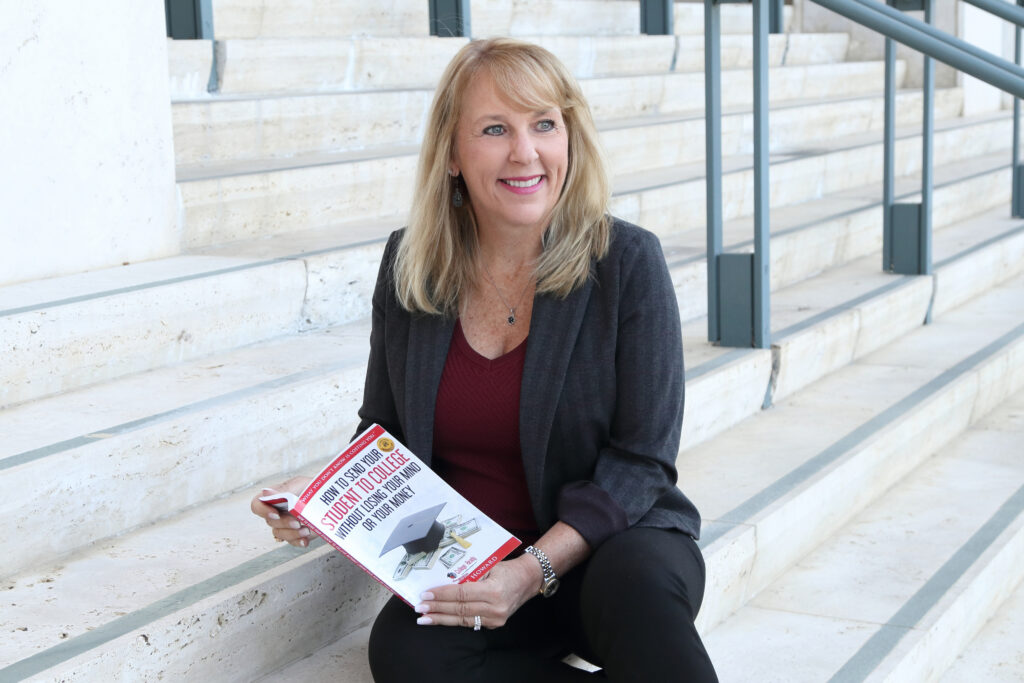
About the Author
Shellee Howard
Founder & College Planning Strategist
Shellee helps families navigate the college admission and financing process with clarity and confidence.