
College Planning for Student Athletes
Learn how student-athletes can build a stronger college plan with academics, scholarships, fit, values, and long-term strategy beyond sports.
Let’s Build Your Student’s College Success Plan
Schedule a no-obligation strategy call and get clarity on your college planning path.
If your teen is a dedicated athlete, college planning can feel both exciting and overwhelming.
You may see their discipline, talent, commitment, and love for the game. You may also hear conversations about athletic scholarships, recruiting, NIL opportunities, showcases, camps, rankings, and coaches. It can be hard to know what matters most, what is realistic, and how to protect your child’s future without taking away their dream.
Many parents are asking the same quiet questions.
Is sports enough to get them into college?
Will they receive scholarship money? What happens if they don’t play at the next level? How do we help them build a future beyond athletics?
College planning for student-athletes works best when families look at the whole student, not just the athlete. Sports can be a powerful part of a student’s story, but it should not be the entire strategy. The strongest path combines academics, character, leadership, service, self-awareness, financial planning, and athletic talent. That is where thoughtful strategy makes all the difference.
Sports Can Open Doors, But They Shouldn’t Carry the Whole Plan
Athletic ability can create opportunities. It can help a student stand out, connect with coaches, demonstrate discipline, and show years of commitment. But parents should be careful about building the entire college plan around sports alone.
A strong student-athlete strategy asks deeper questions:
- Who is your teen beyond their sport?
- What kind of academic environment will help them thrive?
- What strengths do they bring to a campus community?
- What do they care about outside of competition?
- What future are they building if sports changes or ends?
These questions do not diminish your teen’s athletic dreams. They strengthen them. When a student can present themselves as both a serious athlete and a strong academic candidate, they often have more options. They are not relying on one narrow path. They are building a broader foundation.


The Scholar-Athlete Advantage
Parents often hear the word “athlete” first. Shellee Howard encourages families to pay just as much attention to the word “scholar.”
A student who performs well academically, shows leadership, and understands their own values brings more to the college conversation. Coaches and admissions teams are not only looking at athletic potential. They are also considering whether a student can handle the academic environment, contribute to campus life, and succeed long-term.
A strong scholar-athlete profile may include:
- Consistent academic effort
- Appropriate course rigor
- Leadership on or off the field
- Meaningful service or advocacy
- Clear communication about goals
- Evidence of discipline and follow-through
- A realistic understanding of college fit
This is not about perfection. Strengths matter more than perfection. A student does not need to be flawless to be compelling. They do need to understand what makes them different, what they have worked for, and how to communicate that clearly.
Core Values Help Student Athletes Stand Out
Many student-athletes are used to talking about stats, positions, records, rankings, and teams. Those details matter, but they do not tell the full story. Colleges also want to understand the person behind the performance.
What does your teen value?
What motivates them?
How do they respond to challenges?
What have they learned through their sport?
How have they served, led, or encouraged others?
A student’s core values can help shape a stronger college application, a better college list, and a more aligned future path. For example, an athlete may discover that they deeply value service, mentoring younger players, health and wellness, teamwork, justice, creativity, or entrepreneurship. Those values can point toward academic interests, leadership opportunities, career exploration, and service projects. This helps the student become more than “the soccer player” or “the swimmer” or “the softball pitcher.” They become a fuller, more memorable candidate.
Meaningful Service Matters More Than Checking a Box
Many families wonder whether community service still matters for college admissions. The answer is yes, but the quality and intention behind the service matter.
A student who signs up for random volunteer hours just to fill a requirement may not create a meaningful story. A student who chooses service connected to their values, interests, or lived experience can often communicate a much stronger sense of purpose.
For student athletes, meaningful service might include:
- Coaching younger children
- Supporting adaptive sports programs
- Leading a wellness initiative
- Organizing a fundraiser connected to a personal cause
- Mentoring students in academics or athletics
- Creating access to equipment or opportunities for underserved youth
The goal is not to do what everyone else is doing. The goal is to help your teen connect their strengths with impact. When service is authentic, it becomes part of the student’s larger story. It shows colleges who they are, what they care about, and how they may contribute to a campus community.


Athletic Scholarships Require a Realistic Strategy
Many parents hope their student’s sport will help reduce the cost of college. That hope is understandable.
College is expensive, and families deserve a clear, realistic strategy for affordability.
At the same time, it is wise not to assume that athletic talent alone will lead to a large scholarship package. Scholarship opportunities vary widely by sport, school, division, roster needs, and many other factors. A thoughtful plan looks beyond one possible source of money.
Families should consider:
Academic scholarships
Merit-based opportunities
Institutional aid
Athletic opportunities
Financial fit
Long-term return on investment
Whether the school supports the student’s goals beyond sports
This does not mean giving up on athletic scholarships. It means not depending on them as the only plan. College should support long-term success, not unnecessary debt.
Be Careful With Verbal Promises
The recruiting process can be emotional. When a coach shows interest, it can feel like the door is opening. Parents and students should be encouraged by genuine interest, but they should also remain grounded.
A verbal promise is not the same as a signed agreement. Families need to be thoughtful, organized, and clear about what has actually been offered. This is especially important when emotions are high, and a student wants to believe everything is settled.
A calm strategy helps parents ask better questions:
- What is being offered?
- Is anything in writing?
- What are the academic requirements?
- What happens if coaching staff changes?
- What happens if the student is injured?
- Does the school still make sense without the sport?
These questions are not pessimistic. They are protective. Parents can support the dream while still helping their teen make wise decisions.
NIL Should Not Replace Long-Term Planning
NIL conversations have changed the way many families think about college athletics. It is natural for parents and student-athletes to wonder whether branding, visibility, or sponsorship opportunities could become part of the college experience.
For some students, NIL may become relevant. For many others, the more immediate priority is still building a strong academic, personal, and college admissions strategy. Parents should be cautious about letting NIL excitement distract from the fundamentals:
- Academic preparation
- College fit
- Financial planning
- Character development
- Career exploration
- Communication skills
- Long-term goals
A student’s brand is strongest when it reflects who they truly are. Athletic ability may be part of that brand, but values, leadership, service, and purpose help create a more complete story.
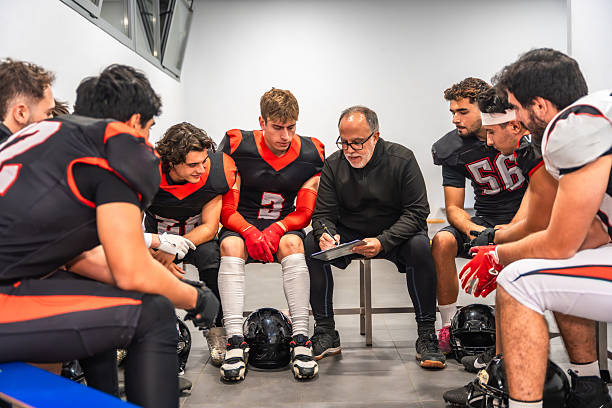

The Best-Fit School Supports the Whole Student
The best college for a student-athlete is not always the most recognizable name. It is not always the largest athletic program. It is not always the school with the most exciting facilities.
The best-fit school is one where the student can grow academically, socially, financially, personally, and athletically. That may mean a Division I program for one student. It may mean Division II, Division III, NAIA, junior college, community college transfer, or a non-athletic path for another.
Success is not one-size-fits-all.
A strong college plan helps students explore the full range of possibilities without shame, panic, or pressure. The right path should align with the student’s goals, strengths, opportunities, and future beyond the scoreboard.
Parents Deserve Clarity, Not Panic
If you are parenting a student-athlete, you may feel like you are supposed to know an entirely separate language.
Recruiting timelines.
Scholarship rules.
Academic eligibility.
College lists.
Application deadlines.
Showcases.
NIL.
Financial aid.
It is a lot.
You are not behind because you do not have every answer today. What your family needs is a clear strategy, a realistic roadmap, and honest conversations about your teen’s strengths and goals.
Shellee Howard’s perspective centers on helping families move from confusion to clarity. Instead of reacting to every rumor, ranking, or recruiting message, parents can make informed decisions based on the whole student. That is a calmer way to plan. It is also a stronger way to support your teen.
Questions to Ask Your Student Athlete
You do not need to turn every conversation into a college planning meeting. In fact, many teens open up more when the pressure is lower. Try asking thoughtful questions over time.
You might ask:
- What do you love most about your sport?
- What parts of being an athlete have shaped who you are?
- Do you want to play in college, or do you feel expected to?
- What would you want from college if sports were not part of the decision?
- What subjects or careers are starting to interest you?
- What kind of campus environment sounds supportive?
- What impact do you want to have outside of your sport?
Listen carefully to the answers. Your teen may not have perfect clarity right away. That is normal. The goal is not to force a decision. The goal is to help them build self-awareness.
Students need guidance, not panic.

Watch or Listen to the Full Podcast Episode
This article was inspired by Shellee Howard’s conversation on the Athlete Brand Advisor podcast, where she discussed college planning for student-athletes, scholar-athlete strategy, scholarships, service, NIL, and helping families think more clearly about the college process.
If you want more context and practical perspective, watch or listen to the full episode. It is especially helpful for parents who are trying to understand how athletics, academics, admissions, and affordability fit together in one thoughtful plan.
If you are ready for clearer guidance, start with a conversation about your student-athlete’s strengths, goals, academic profile, and future opportunities. A complimentary discovery call can help your family begin building a strategy that supports both college success and life beyond athletics.

About the Author
Shellee Howard
Founder & College Planning Strategist
Shellee helps families navigate the college admission and financing process with clarity and confidence.