
How to Choose the Right College for Your Teen
Learn how to choose the right college for your teen with less stress, smarter planning, and a focus on fit, affordability, and future success.
Let’s Build Your Student’s College Success Plan
Schedule a no-obligation strategy call and get clarity on your college planning path.
For many parents, the college search begins with a mixture of hope and pressure.
You want your student to have opportunities. You want them to feel confident about their future. You want to avoid costly mistakes that could follow them for years. At the same time, the process can feel emotionally exhausting.
There are rankings to compare, deadlines to manage, tuition costs to consider, and constant messaging about prestigious schools and competitive admissions. Families often feel like they are making life-defining decisions before their teenager fully understands who they are or what they want.
That uncertainty can create tension for everyone involved.
Parents worry about whether their child is choosing wisely. Students feel pressure to “have it all figured out.” And somewhere in the middle, meaningful conversations about strengths, goals, and long-term fit often get lost. The good news is this: choosing the right college is not about finding the most impressive name.
It’s about finding the best fit for the student sitting in front of you.
The Wrong Starting Point Most Families Use
Many families begin the college search by asking:
- Which schools are ranked highest?
- Which colleges are hardest to get into?
- Which campuses have the best reputation?
- Which schools are everyone else applying to?
Those questions are understandable, but they often skip the most important part of the process. Who is the student? Before students can choose the right college, they need a stronger understanding of:
- their strengths
- their interests
- their learning style
- their goals
- their preferred environment
- their personality
- their values
- their future priorities
Without that clarity, students often choose schools based on outside pressure, social comparison, or image rather than long-term alignment.


Why Self-Awareness Matters More Than Prestige
A highly ranked school is not automatically the best environment for every student. Some students thrive in competitive academic settings. Others perform better with smaller class sizes, stronger mentorship, or a different pace. Some students want large campuses and school spirit. Others want flexibility, hands-on learning, or specialized career pathways.
The best-fit school is the one that supports the student academically, emotionally, socially, and financially. Parents sometimes worry that choosing a less prestigious school means settling. It doesn’t.
Students who feel supported and aligned with their environment are often more likely to:
- stay engaged
- build confidence
- develop leadership skills
- explore opportunities
- graduate successfully
- enter adulthood with greater clarity
Long-term success is not determined by a college logo alone.
College Should Support the Future, Not Complicate It
One of the biggest concerns families face is affordability. Parents want to help their children pursue opportunities, but they also worry about unnecessary debt and financial strain. This is where strategic planning becomes essential. The college conversation should include:
- scholarship opportunities
- financial aid strategy
- career earning potential
- transfer pathways
- AP and dual enrollment options
- graduation timelines
- internship access
- long-term return on investment
A school can look exciting on paper and still create financial pressure that limits future flexibility. Students deserve a plan that supports both their ambitions and their long-term stability.
Students Need Guidance, Not Constant Pressure
Many teenagers feel overwhelmed by the expectation that they should already know exactly what they want to do. Parents often feel responsible for helping them figure it out quickly.
But clarity usually develops through exploration, experience, and conversation over time. Students benefit from adults who ask thoughtful questions like:
- What environments help you feel motivated?
- What kinds of problems do you enjoy solving?
- What subjects or activities energize you?
- What kind of lifestyle do you hope to build someday?
- What careers align with your strengths and personality?
Those conversations tend to produce more meaningful insight than repeatedly asking:
“What are you going to major in?” Students rarely need more panic. They need structure, encouragement, and space to grow into their decisions.


Why College Planning Should Start Earlier Than Most Families Think
Many parents assume serious college planning begins junior year.
By that point, students are often already dealing with:
- academic pressure
- testing
- applications
- extracurricular demands
- scholarship deadlines
- social stress
- uncertainty about the future
Earlier planning creates more breathing room.
Not pressure.
Perspective.
When families start earlier, students have more time to:
- explore interests
- build leadership skills
- discover strengths
- develop meaningful activities
- understand financial realities
- make intentional decisions
Strong planning reduces reactive decision-making later.
Success Is Not One-Size-Fits-All
One of the healthiest shifts families can make is letting go of the idea that there is only one “right” path.
Some students thrive at large universities.
Some succeed through smaller colleges.
Some pursue trade programs or certifications.
Some transfer after community college.
Some build entrepreneurial or creative careers.
What matters most is alignment between the student and the path they choose. College should support the life the student wants to build, not simply satisfy outside expectations.
Career paths evolve.
Industries evolve.
Students evolve, too.
The goal is not perfection at seventeen years old. The goal is thoughtful direction.
What Parents Can Focus On Right Now
Parents do not need to solve every future decision immediately. A calmer and more productive approach often starts with:
- listening without judgment
- encouraging exploration
- helping students identify strengths
- exposing them to different career paths
- discussing finances openly
- reducing comparison pressure
- focusing on growth instead of perfection
One of the greatest gifts parents can offer during this season is emotional steadiness. Students often mirror the stress level around them. A calm approach creates better conversations and better long-term decisions.


Want More Insight From the Podcast Conversation?
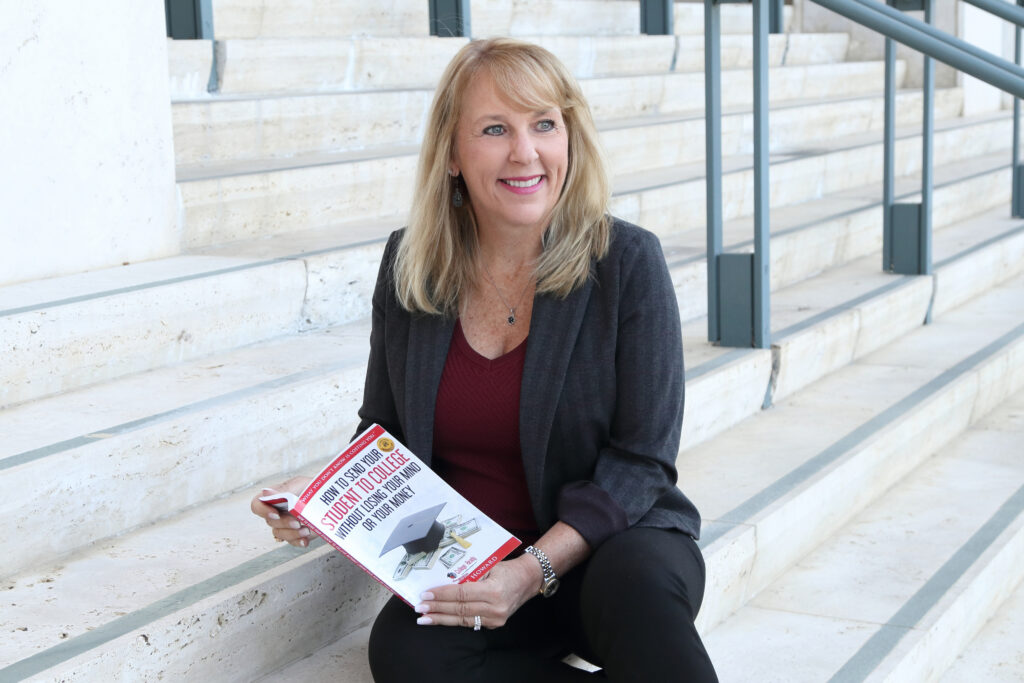
This article was inspired by a thoughtful podcast conversation featuring Shellee Howard of College Ready, focused on helping students find the right-fit college while reducing unnecessary stress and debt.
The full episode explores:
- college planning strategy
- scholarship positioning
- student self-awareness
- admissions planning
- financial considerations
- helping students pursue meaningful futures
It offers a valuable perspective for parents who want a more intentional and less fear-driven approach to college planning.
Your Teen Does Not Need a Perfect Plan
Parents often feel pressure to make every college decision perfectly.
Most students do not need a flawless roadmap.
They need guidance, support, and a strategy that helps them move forward thoughtfully. The right college is not simply the school with the biggest name or highest ranking. It is the place where your student can grow, develop confidence, pursue meaningful opportunities, and move toward adulthood with clarity instead of overwhelming debt and uncertainty.
At College Ready, Shellee Howard helps families navigate college admissions, scholarships, affordability, career direction, and long-term planning with a personalized approach centered on student fit and future success.
If your family feels overwhelmed by choosing colleges, majors, or career paths, CR Future NOW can help your student better understand who they are, what fits them, and how to build a future with greater confidence and purpose.
About the Author
Shellee Howard
Founder & College Planning Strategist
Shellee helps families navigate the college admission and financing process with clarity and confidence.